


By using our website, you agree to the use of cookies as described in our Cookie Policy
Why Safety Assessments Matter Before Starting Senior Fitness in Bridgewater
Most seniors think fitness programs are just about movement. Show up, stretch, maybe lift a weight or two. But your body at seventy isn't the same machine it was at forty — and if you pretend otherwise, you're setting yourself up for setbacks. Exercise may look simple on paper, but it leaves a mark on joints, balance, and cardiovascular systems. Especially if you're managing chronic conditions or recovering from past injuries.
So here's the reality. If you're getting active to stay independent and strong, that's excellent. Just don't treat your body like it has no history. Every movement should match your current ability. Every workout needs a foundation. And every fitness decision should be grounded in what your body can handle today — not what it managed twenty years ago.
When Your Body Writes the Rules
Most of the time, seniors can absolutely benefit from structured exercise. You commit to showing up, you build strength over time — that's progress, not risk. The challenge lies in recognizing that age has rewritten the playbook on what's safe and what's pushing too hard.
But if underlying conditions get ignored? Different outcome. Undiagnosed balance issues can turn into falls. Cardiovascular strain can escalate during high-intensity intervals. We've watched this unfold in real senior fitness programs across Central New Jersey. Plenty of participants assumed they were cleared to go full speed — they weren't. And when limitations go unaddressed, minor discomfort can become long-term damage unless someone steps in with a proper baseline evaluation.
The Screening That Changes Everything
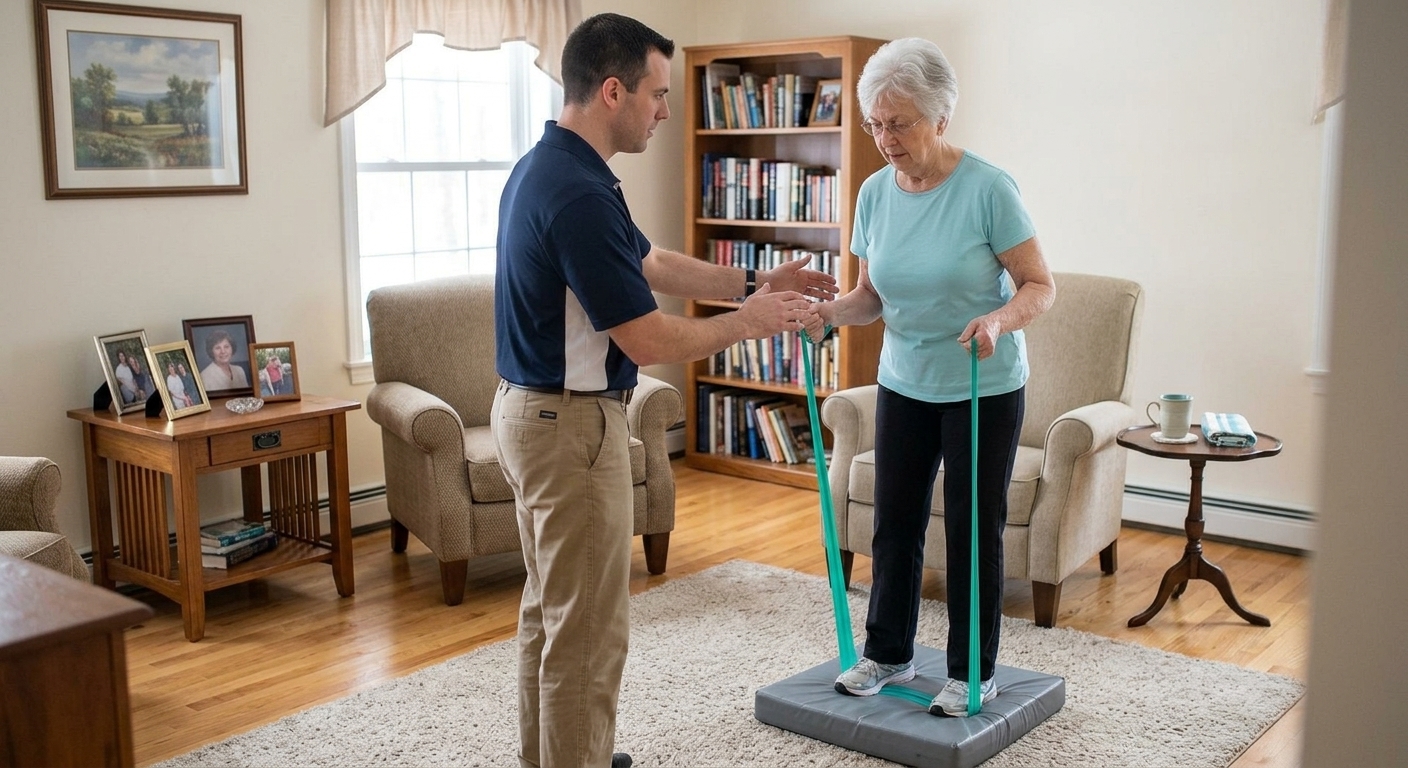
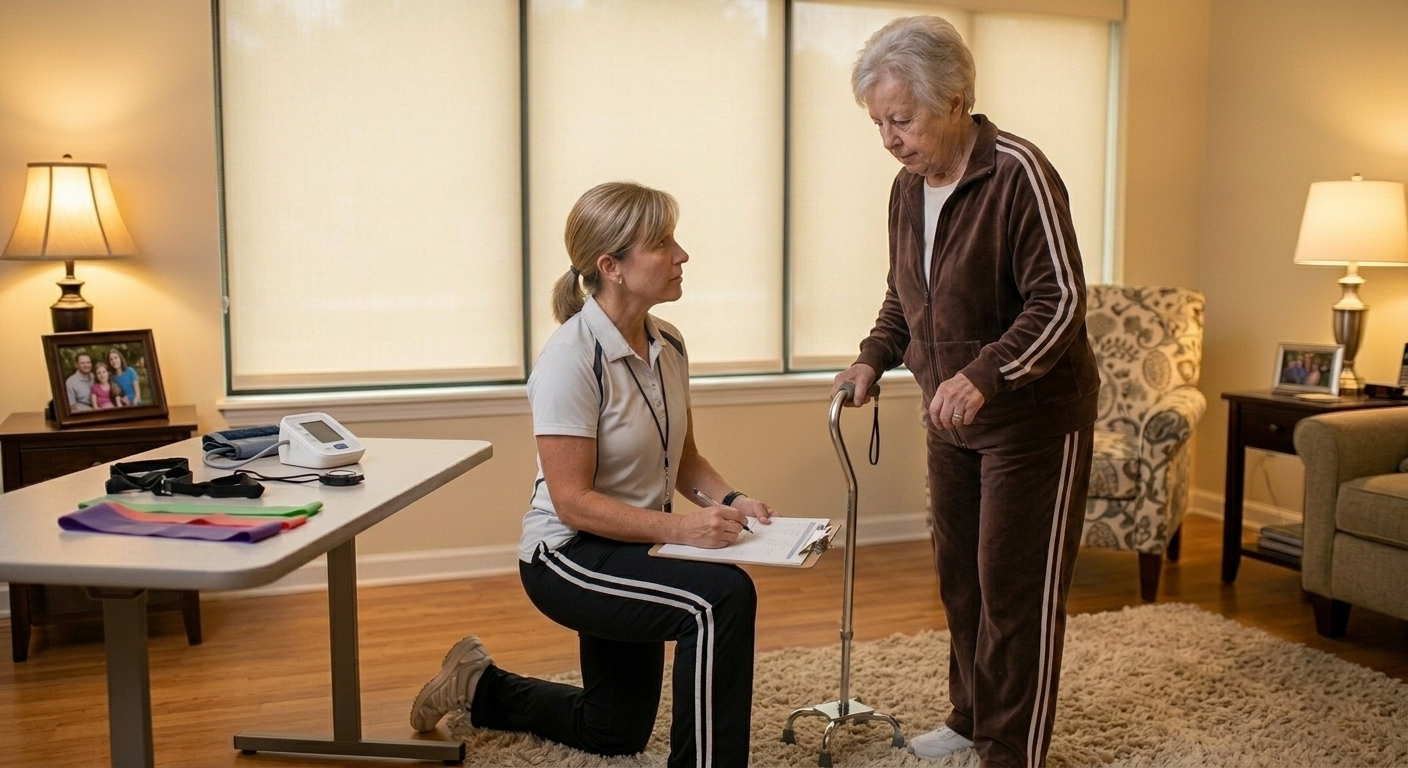
A safety assessment isn't some bureaucratic hoop to jump through. It's the difference between guessing and knowing. Before anyone hands you a resistance band or sets you on a treadmill, a qualified professional should be mapping out where you stand physically — and where the red flags hide.
Here's what gets evaluated:
- Current medications and how they affect exercise tolerance
- Balance stability and fall risk markers
- Joint mobility and any existing pain or stiffness
- Cardiovascular response to mild exertion
- Strength baselines and range of motion limits
Where Injuries Start Before You Even Begin
Want to avoid a trip to urgent care? Then prove your body's ready for what you're about to demand from it. The assessment isn't there to scare you off — it's there to flag what needs attention before strain becomes injury.
The screening identifies three critical vulnerabilities:
- Whether your balance can handle dynamic movement without support
- If your joints tolerate load-bearing exercises or need modification
- How your cardiovascular system responds to sustained activity
Miss one of those, and the workout plan falls apart. Even if you technically made it through the first session. And if any part of your health history suggests caution? That portion gets built into your program with alternatives. No shortcuts just because you feel fine on a good day.
Chronic Conditions Don't Take Days Off
Living with diabetes, hypertension, or arthritis doesn't disqualify you from fitness — but it does demand smarter programming. A cookie-cutter routine ignores the reality that your body operates under different constraints than someone without those diagnoses.
Safety assessments let us design around your limitations instead of pretending they don't exist. Someone managing blood pressure needs monitored intensity. Someone with osteoporosis can't afford high-impact landings. Get the assessment right, and exercise becomes a tool for managing those conditions. Skip it, and you're gambling with flare-ups or worse.
Confidence Comes from Clarity
Nerves before starting a fitness program are normal. Fear of falling, fear of looking weak, fear of making symptoms worse — all legitimate concerns. But assessment results give you something better than blind optimism: actual data about what you can do and what needs building.
Here's what proper screening provides:
- Clear benchmarks so you know where improvement happens
- Modified exercises that match your current ability level
- Instructor awareness of your specific needs during group sessions
- Proof that someone checked the details before handing you weights
Why Instructors Depend on This Intel
Your fitness coach isn't a mind reader. They can't tell by looking at you whether your knee gives out under load or if your blood pressure spikes during cardio. Assessment documentation hands them a roadmap so they can guide you intelligently instead of guessing.
We need to know what modifications matter and which participants require closer monitoring. That intel shapes how we structure class progressions and when we pull someone aside to adjust form. Without it, we're flying blind — and you're the one who pays the price if something goes sideways.
What Gets Missed Without Proper Screening
Skipping assessments doesn't just leave gaps in your program. It creates blind spots that show up later as pain, frustration, or preventable incidents.
Common oversights include:
- Undetected balance deficits that lead to falls during transitions
- Cardiovascular limits that get crossed during intervals
- Joint restrictions that cause compensatory strain elsewhere
- Medication interactions that alter safe heart rate zones
- Cognitive factors affecting exercise recall and safety awareness
Building Programs That Actually Work
Generic senior fitness plans assume everyone starts from the same place. They don't. Some participants walk in with decades of activity behind them. Others haven't broken a sweat since high school gym class. Assessment results let us meet you where you are and build from there — not from some imaginary average.
That means exercises get tailored to your mobility, intensity scales with your endurance, and progression happens at a pace your body can sustain. It's not about coddling. It's about building strength and mobility that lasts instead of burning out in week three.
The Standard Central New Jersey Should Expect
Safety assessments shouldn't be optional extras reserved for high-risk participants. They should be the baseline standard every senior fitness program in Central New Jersey adopts. Not because we're being overly cautious — because we're being responsible.
Every participant deserves a program designed around their actual health profile, not a generic template. Every instructor deserves the information needed to guide safely. And every community benefits when fitness becomes accessible without becoming reckless. Assessments aren't barriers to entry. They're the foundation that makes long-term participation possible without regret or injury down the line. That's why comprehensive home safety assessments and professional balance training work hand-in-hand with initial screening to support fall prevention programs that truly deliver results for older adults looking to maintain their independence.
Ready to Start Your Fitness Journey Safely?
We believe every senior deserves a fitness plan built on real understanding, not guesswork. Let’s work together to make sure your next step is the right one—safe, effective, and tailored to you. If you’re ready to move forward with confidence, give us a call at 800-241-2466 or contact us today to schedule your assessment and get started.
‹ Back
Recent Posts
-

-
Why Safety Assessments Matter Before Starting Senior Fitness in Bridgewater
September 25, 2026
-
-

-