

By using our website, you agree to the use of cookies as described in our Cookie Policy
How Often Should Seniors in Central New Jersey Train to Build Strength?
Most seniors think strength training is optional. Something for athletes or gym rats. But your muscles don't care about your age — they care about stimulus. And if you're not loading them regularly, you're losing ground. That's not theory. That's biology. The good news? You don't need to live in the weight room to see results. You just need a plan that respects recovery and actually builds something real.
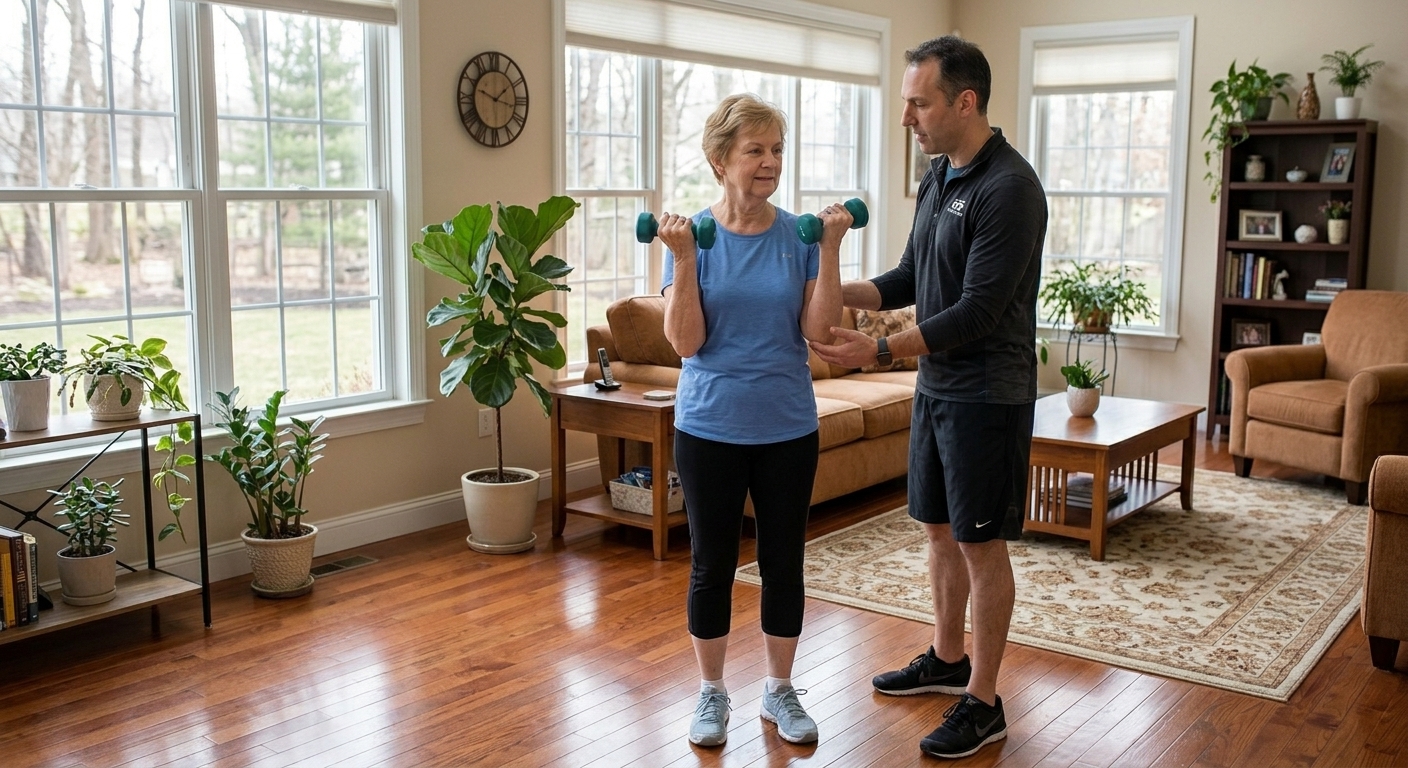
So here's the truth. If you're in Central New Jersey and wondering how often to train, the answer isn't one-size-fits-all. But there is a sweet spot — and it sits right between doing too little to matter and doing so much you can't recover. Most seniors hit their stride with two to three sessions per week. Enough to trigger adaptation. Not so much that soreness turns into setback. Every rep should have intent. Every session should have structure. And every week should move you forward — not sideways.
Why Muscle Loss Isn't Just About Vanity
Sarcopenia starts creeping in around your 30s. By the time you hit 60, you're losing roughly 3% of your muscle mass per decade if you do nothing. That means weaker legs, slower reflexes, higher fall risk, and less independence. Bone density drops too. Balance falters. Suddenly the stairs feel steeper and getting off the floor takes effort.
Strength training reverses that slide. We're not talking about bulk or bodybuilding. We're talking about functional power — the kind that keeps you stable, mobile, and capable of doing what you want without asking for help. Here's what consistent resistance work delivers:
- Rebuilds muscle tissue you've been quietly losing for years
- Increases bone density and cuts fracture risk
- Sharpens coordination and prevents falls
- Boosts metabolism so your body burns calories more efficiently
- Improves mood, sleep quality, and cognitive sharpness
The Magic Number Isn't Magic
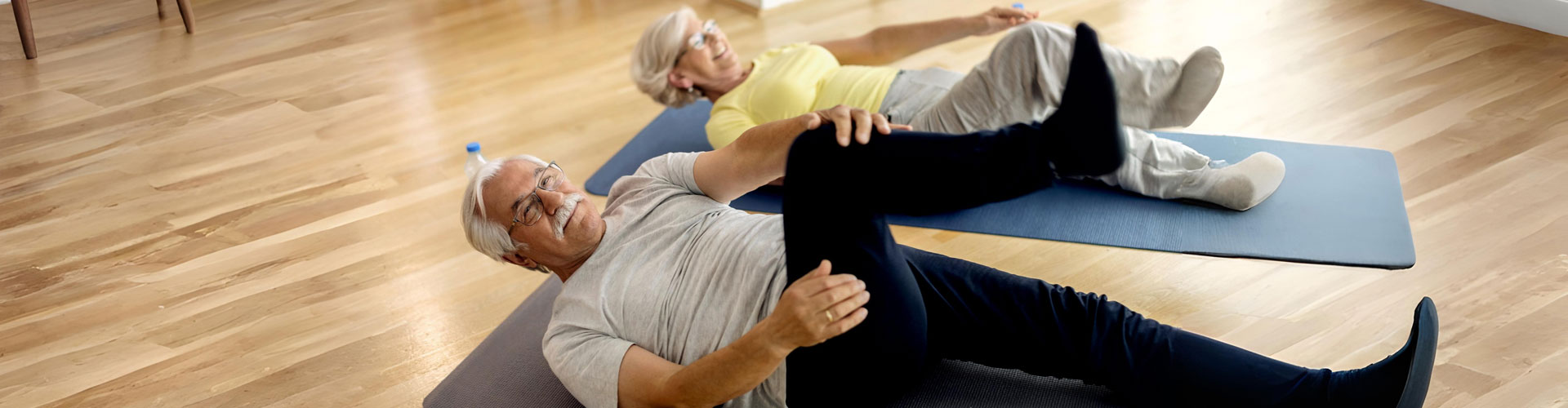
The CDC and ACSM both land on the same recommendation: older adults should strength train at least twice a week, hitting all major muscle groups each time. That's legs, hips, back, core, chest, shoulders, and arms. You don't need fancy equipment or a personal trainer standing over you. You need load, effort, and consistency.
Two days works because it gives your body time to repair between sessions. Training Monday and Thursday, or Tuesday and Friday — that's plenty. Some active seniors push it to three times a week and see even better results. But more isn't always better. Recovery matters just as much as effort. If your muscles are still sore or fatigued, adding another session won't speed up progress. It'll stall it.
When Three Days Works Better Than Two
If you're feeling strong and recovering well, a third session can accelerate gains. But don't just stack the same workout three times. Rotate muscle groups or drop the intensity on that third day. Light resistance, bodyweight movements, or unilateral work all count.
The key is listening to your body — not your ego. Soreness that lingers past 48 hours is a red flag. Joint pain that doesn't fade means something's off. And if you're dreading the next session instead of looking forward to it, you're probably overdoing it. A good program should leave you tired but energized, not beaten down.
What a Solid Session Looks Like
Each workout should start with a warm-up and end with a cool-down. No shortcuts. Your muscles and joints need time to prepare and recover. Here's the blueprint most seniors thrive on:
- Five to ten minutes of light movement to raise your heart rate and loosen up
- Eight to ten exercises that target every major muscle group
- One to three sets of eight to twelve reps per exercise
- Resistance that feels challenging by the last two reps — not impossible, just hard
- Five minutes of stretching or gentle movement to bring your heart rate down
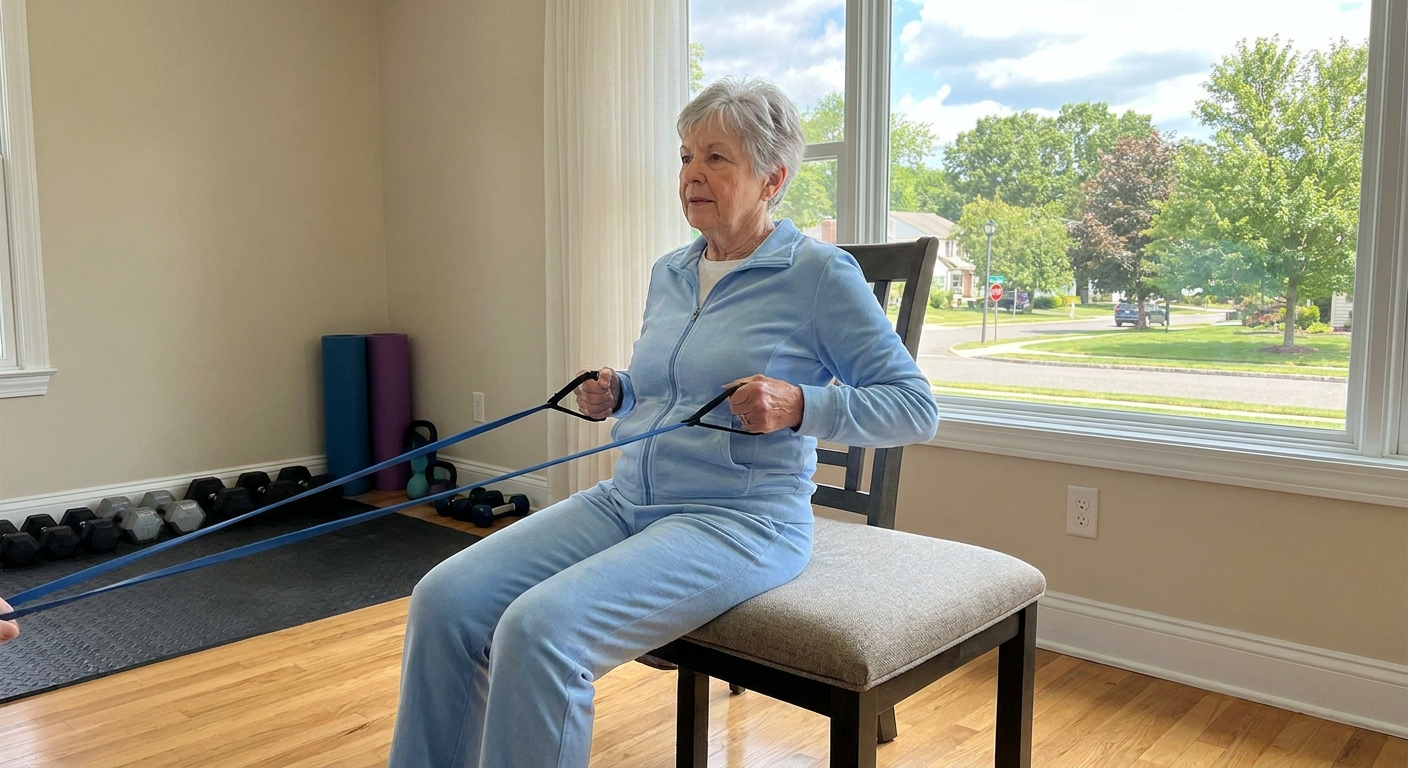
Equipment can be as simple as resistance bands, a pair of dumbbells, or your own bodyweight. Squats, lunges, wall push-ups, seated rows with a band — these are the moves that build real-world strength. You don't need a gym membership. You need intention and consistency.
Mistakes That Cost Progress
Seniors often sabotage their own results without realizing it. Skipping warm-ups. Lifting too light because they're afraid of injury. Using momentum instead of control. Or worse — training through pain because they think soreness means progress. It doesn't. Pain is your body waving a red flag.
Here's where most people go wrong:
- Jumping into heavy resistance without mastering form first
- Training the same muscles on back-to-back days with no recovery window
- Ignoring flexibility work and wondering why joints feel stiff
- Comparing themselves to younger lifters or trying to match old PRs from decades ago
- Skipping rest days because they think more is better
Safety Isn't Negotiable
Before you start any new program, talk to your doctor. Especially if you've got heart issues, joint problems, or balance concerns. Once you're cleared, start light. Master the movement first. Load comes later. Form always beats weight.
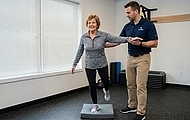
And don't train alone if you're new to this. Whether it's a class at the Central New Jersey senior center or a session with a trainer who knows how to work with older adults, having eyes on your form makes all the difference. Hydration matters too. So does footwear. And if something feels off — a sharp pain, dizziness, or unusual fatigue — stop. Don't push through it.
Finding the Right Support in Central New Jersey
Plenty of local gyms and community centers offer senior-focused strength classes. Small groups, experienced instructors, and an atmosphere that doesn't feel intimidating. You're not competing with anyone. You're building capacity. And when you train alongside others doing the same thing, it's easier to stay consistent.
If you prefer one-on-one guidance, look for a certified trainer with experience in older adult fitness. They'll adjust exercises to your abilities, correct your form in real time, and keep you progressing without overloading your system. That kind of personalized attention isn't a luxury — it's smart risk management. Private sessions offer tailored programming that adapts to your specific needs and goals.
Consistency Beats Intensity Every Time
Strength training twice a week won't transform you overnight. But it will make you stronger, steadier, and more capable over time. The seniors who see the best results aren't the ones who go hard and burn out. They're the ones who show up, do the work, and trust the process. No heroics. No skipped sessions. Just steady, deliberate effort that compounds week after week. Seniors who participate in fall prevention programs often see improved strength and balance training outcomes when they maintain this consistency.
At the end of the day, muscle doesn't care how old you are. It responds to load, recovery, and repetition. Give it those three things, and it will rebuild. Skip any one of them, and progress stalls. The choice is yours — but the biology isn't negotiable.
Ready to Build Strength Together?
We know that starting or restarting a strength routine can feel overwhelming, but you don’t have to do it alone. Let’s work together to create a plan that fits your life and helps you stay strong, steady, and independent in Central New Jersey. If you’re ready to take the next step, call us at 800-241-2466 or contact us today—we’re here to support your journey every step of the way.
‹ Back
Recent Posts
-

-
Why Safety Assessments Matter Before Starting Senior Fitness in Bridgewater
September 25, 2026
-

-

-